In summary:
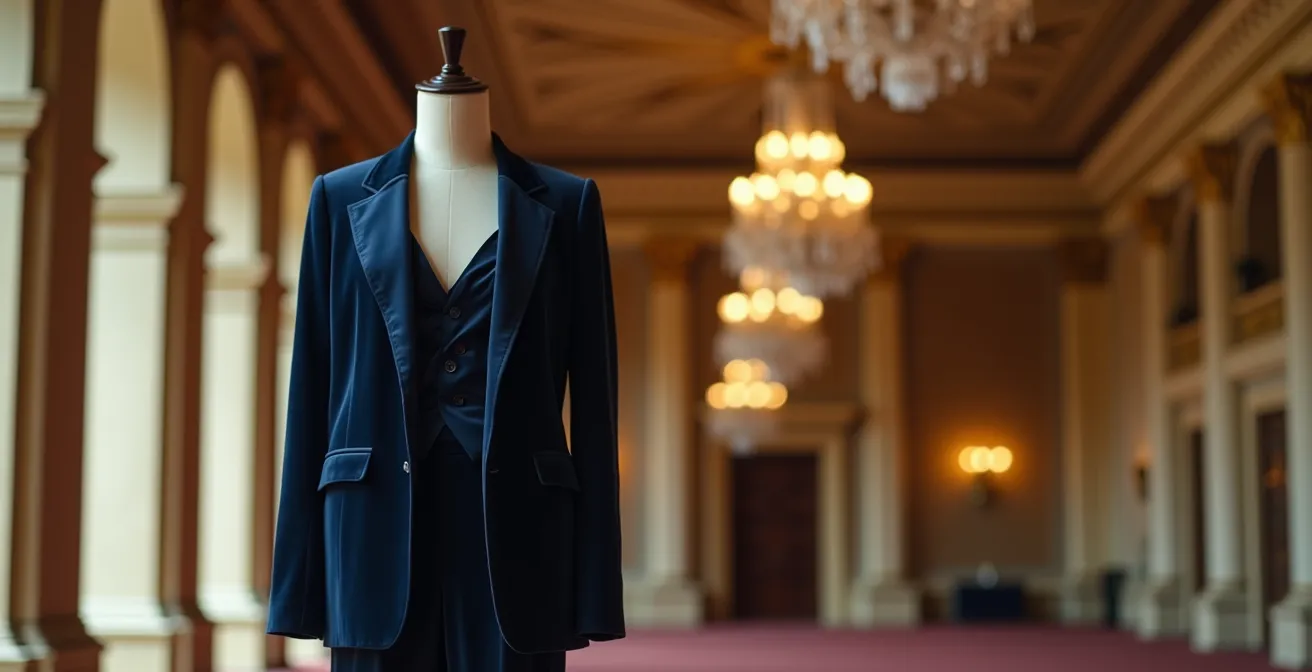
- Mastering lingerie as outerwear for formal UK events is not about exposure, but about architectural elegance and understanding fabric.
- Success lies in choosing structured pieces like corsets and pairing them with balancing formalwear, such as tuxedo trousers.
- The choice of foundation garments is critical; seamless options for fluid gowns and specialised support for low necklines are non-negotiable.
- A cohesive look is achieved by harmonising details, from the metal on your lingerie to your jewellery and the style of your evening coat.
The notion of incorporating lingerie into formal evening wear often conjures images of sartorial missteps and broken dress codes. For any fashion-conscious woman attending a black-tie or cocktail event in the UK, the line between chic and inappropriate can feel perilously thin. The common advice—to simply don a slip dress or let a lace strap show—barely scratches the surface of this nuanced art form and often ignores the stringent expectations of formal British occasions. It overlooks the crucial elements of fabric, structure, and the unspoken language of high-end social settings.
But what if the secret wasn’t about revealing more, but about a more intelligent and architectural approach to dressing? The true key lies in treating lingerie not as underwear to be glimpsed, but as a foundational or statement piece with its own structural integrity. It’s about understanding how the boning of a corset interacts with the drape of a trouser, how the sheen of satin plays under ballroom lights, and how the hardware on a bra strap can inform your choice of earrings. This is the principle of architectural elegance.
This guide moves beyond the clichés to provide an expert framework for integrating these delicate elements with confidence. We will deconstruct the traditional rules to understand how to bend them, explore the power of fabric and fit, and ensure every component of your ensemble, from the hidden foundations to the final outer layer, works in perfect harmony. We will transform the question from “How much can I show?” to “How can I build a truly sophisticated and modern formal look?”.
To navigate this with precision, this article breaks down the essential considerations into a clear, step-by-step guide. Explore the sections below to master each facet of this elegant styling challenge.
Summary: The Modern Woman’s Guide to Lingerie in Formalwear
- Why is the “legs or cleavage” rule still relevant for black-tie events?
- How to wear a corset as evening wear with a tuxedo pant?
- Velvet vs Satin: Which fabric reads more “evening” in winter?
- The underwear mistake that ruins the line of a bias-cut gown
- How to choose an evening coat that doesn’t crush your delicate attire?
- How to match jewellery with lingerie hardware for a cohesive look?
- Why does a low-cut dress require a completely different foundation garment?
- How to plan the ultimate luxury lingerie shopping day in London?
Why is the “legs or cleavage” rule still relevant for black-tie events?
The age-old adage of choosing to highlight “legs or cleavage, but never both” remains a cornerstone of formal British etiquette for one simple reason: it is fundamentally about balance and sophistication. In a black-tie setting, elegance is communicated through restraint and careful composition. The goal is to create a single, harmonious focal point rather than overwhelming the eye. A traditionalist view, often guided by institutions of etiquette, maintains clear standards. As the quintessential British etiquette guide Debrett’s clarifies, the code for women typically involves a full-length evening dress. According to a definitive explanation of black-tie dress codes, long gloves are an acceptable and elegant addition for sleeveless gowns, reinforcing a sense of formal grandeur.
However, modern interpretation allows for strategic rule-bending. British style icons like Kate Moss and Rosie Huntington-Whiteley have mastered this art, demonstrating that sensuality can be conveyed with more subtlety. They often opt for gowns with dramatic backless designs or sophisticated sheer panels as an alternative to a plunging neckline. This approach respects the spirit of the rule—maintaining a singular point of focus—while updating it for a contemporary aesthetic. The choice is no longer just between legs or cleavage; it now includes the back, the shoulders, or an intriguing asymmetrical hemline.
Ultimately, the rule’s relevance lies in its core principle: architectural balance. By focusing attention on one area, you allow the craftsmanship of the gown and the overall silhouette to take centre stage. It is a sign of sartorial confidence, showing that you understand the power of suggestion is often more alluring than overt revelation. For any formal event in the UK, adhering to this principle ensures your look is perceived as intentional, refined, and impeccably chic.
How to wear a corset as evening wear with a tuxedo pant?
Pairing a corset with tuxedo pants is the epitome of modern formalwear, blending masculine tailoring with feminine structure. This is not about wearing flimsy lingerie; it’s about selecting a structured, high-quality corset that acts as a standalone top. The success of this look hinges on proportion and fabric. The corset must have substantial boning and be crafted from a luxurious material like velvet, duchess satin, or brocade to read as “evening” rather than “underwear.” The fit is paramount; it should cinch the waist and sit smoothly, creating a powerful silhouette.
To achieve this look, inspired by Savile Row’s precision and contemporary red-carpet styling, consider these key points:
- Fabric is Key: Choose a corset in a formal fabric. A simple cotton bustier will look out of place.
- Structure is Strength: Ensure the corset has proper boning. This provides the necessary shape and support, making it clear it’s a deliberate fashion choice. Consider bespoke options from UK artisans for a perfect fit.
- Balance Proportions: Pair a heavily structured or ornate corset with softer, wider-leg trousers. High-waisted tuxedo pants in a fluid wool or silk blend create a beautiful contrast and elongate the legs.
- Add a Third Piece: Draping a silk or velvet blazer over your shoulders adds a layer of sophistication and provides coverage for more conservative venues or a chilly London evening.
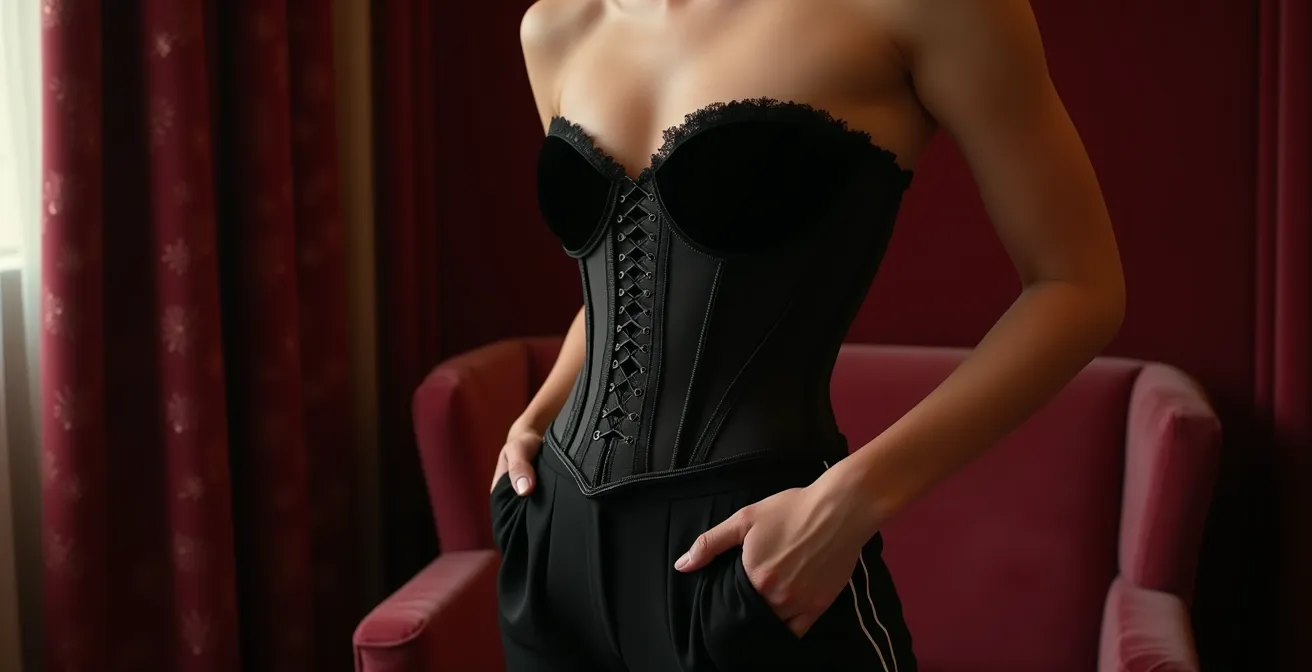
This combination is a powerful statement. It subverts traditional black-tie norms while remaining utterly elegant, a fact confirmed by the modern interpretation of formal dress codes which embraces such confident stylistic choices. It speaks to a woman who is in control of her image, effortlessly blending strength and sensuality. The key is to ensure every element is of the highest quality to maintain an air of formality and luxury.
Velvet vs Satin: Which fabric reads more “evening” in winter?
In the lexicon of eveningwear, particularly during a British winter, fabric speaks volumes. Both velvet and satin are luxurious choices, but they communicate different messages and serve different functions. The decision between them often comes down to the specific event, venue, and desired aesthetic. Velvet, with its deep pile and light-absorbing qualities, evokes a sense of old-world opulence and aristocratic heritage. It is inherently rich and provides a degree of warmth, making it both a practical and glamorous choice for winter events, especially those held in historic country houses.
Satin, conversely, is all about luminosity and fluid movement. Its light-reflecting surface creates a high-impact, glamorous look reminiscent of 1930s Art Deco London. While stunning, it is less forgiving in damp weather and offers little warmth, making it better suited for indoor city galas and heated ballrooms. As esteemed designer Monique Lhuillier advises on fabric selection, “Look for rich textures like silk faille, velvet or tulle, and don’t shy away from colour. Deep jewel tones, romantic pastels or even a bold print can be just as striking as black.” This highlights that the textural quality is as important as the material itself.
To make an informed choice, this comparison, based on a comprehensive guide to black-tie dressing, is essential:
| Aspect | Velvet | Satin |
|---|---|---|
| Historical Association | British royalty & aristocracy (Tudor era) | 1930s Art Deco London glamour |
| Winter Practicality | Provides warmth, forgiving in damp weather | Requires careful handling, best for indoor venues |
| Best For | Country house events, outdoor ceremonies | Indoor city galas, heated ballrooms |
| Texture Appeal | Rich, luxurious, photographs well | Luminous, fluid, catches light beautifully |
| UK Brand Excellence | Gieves & Hawkes | Stella McCartney |
Ultimately, while satin offers a sleek, modern glamour, velvet reads as more traditionally “evening” and luxurious for a winter affair in the UK, offering both visual richness and practical warmth. Its regal connotations and forgiving nature make it a failsafe choice for the most formal of occasions.
The underwear mistake that ruins the line of a bias-cut gown
A bias-cut gown is a masterclass in fabric engineering. Cut on the diagonal grain, the material drapes and clings in a uniquely fluid way, skimming the body’s curves with liquid elegance. This technique gives silk or satin an extraordinary level of stretch and movement. However, its greatest strength is also its greatest vulnerability: it reveals everything. The most common and unforgivable mistake when wearing a bias-cut dress is choosing the wrong foundation garments. A standard bra with a thick band or knickers with elasticated seams will create visible lines and bulges, completely shattering the gown’s seamless, liquid silhouette.
The physics of the fabric demand an almost invisible foundation. The material is not structured to hide imperfections; it is designed to flow over a smooth canvas. Any interruption from a seam, clasp, or band will cause the fabric to catch and pucker, ruining the intended effect. This is where truly seamless underwear becomes non-negotiable. These garments are often laser-cut from microfiber fabric and have bonded or “thermo-fused” edges instead of traditional stitched seams, allowing them to lie completely flat against the skin.
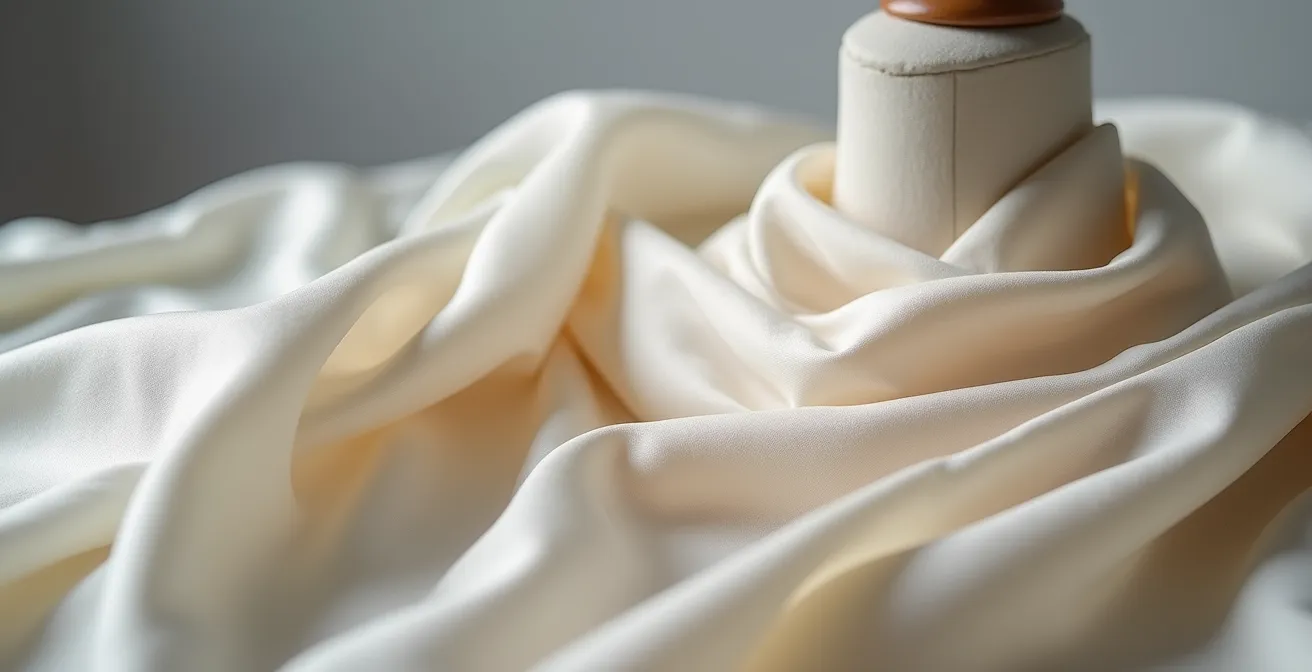
For a bias-cut gown, you must think of your underwear as a ‘second skin’. The goal is support without structure, and coverage without contour. In many cases, for dresses with low backs or complex necklines, the best option is to forgo traditional underwear entirely in favour of an integrated bodysuit or adhesive solutions. Investing in the correct foundation is as important as the gown itself; it is the invisible architecture that allows the beauty of the bias-cut to truly shine.
How to choose an evening coat that doesn’t crush your delicate attire?
Arriving at a glamorous London event, only to remove your coat and reveal a crushed or wrinkled gown, is a silent sartorial tragedy. The choice of an evening coat is not merely about warmth; it is a technical decision designed to protect the delicate and often voluminous attire beneath. A coat that is too fitted, too heavy, or made with the wrong lining can instantly ruin an otherwise perfect look. The key is to select a style with enough volume and a smooth lining that allows it to glide over, rather than compress, your dress.
Certain heritage styles are perfectly suited for this purpose. The Opera Coat, for instance, is designed with a loose, often A-line or cocoon shape that provides maximum glamour and space, ensuring it won’t compress delicate fabrics like tulle or satin. As noted in an analysis of formal wedding attire, classic menswear-inspired styles also offer a chic solution. A Chesterfield or Guards Coat, worn elegantly draped over the shoulders, creates a sophisticated ‘borrowed from the boys’ aesthetic popular at London gallery openings and avoids any risk of crushing a structured bodice or delicate embellishment.
Beyond the style of the coat, logistical considerations are crucial for navigating a formal evening in a city like London:
- Lining is paramount: Always choose coats with silk or satin linings. They create less friction and are less likely to catch on beading, sequins, or delicate lace.
- Consider the shoulder: Opt for styles with a raglan or dropped shoulder. This construction provides more room and won’t put pressure on structured shoulders or puff sleeves.
- Master the ‘shoulder drape’: For short walks from car to venue, practice wearing the coat loosely over your shoulders. It’s an effortlessly chic look.
- Utilise the cloakroom: Immediately upon arrival at West End theatres, Mayfair galleries, or formal ballrooms, request the coat check to free yourself from your outer layer.
- Plan for travel: For journeys in a black cab between venues, a lightweight yet warm cashmere wrap can be a more practical and less cumbersome alternative to a full coat.
Your evening coat is the first and last impression you make. By choosing a style with sufficient volume and a silky lining, you ensure that your grand entrance is matched by an equally impeccable reveal.
How to match jewellery with lingerie hardware for a cohesive look?
In the world of high-end styling, a truly cohesive look is one where every single detail is considered. This extends to the subtle yet significant hardware on your visible lingerie elements. The metallic finish of a corset clasp, a bra strap adjuster, or the hook-and-eye closure on a bustier should be in harmony with your chosen jewellery. A clash of metals—a gold necklace against a silver-toned bra strap, for example—can create a subtle visual discord that detracts from the overall polish of your outfit. Achieving this hardware harmony is a mark of a truly sophisticated and intentional dresser.
The principle is simple: treat the lingerie hardware as the base metal for your accessory palette. This creates a seamless through-line, making the lingerie feel like an integral part of the outfit. For example, if your corset features elegant rose gold clasps, your earrings, bracelet, and even the buckle on your clutch should echo that same warm tone. This attention to detail elevates the entire ensemble from simply “an outfit” to a curated “look.” Designer Maria Lucia Hohan perfectly captures the spirit of this balance, advising, “Minimalist yet impactful accessories work best. Perhaps a pair of chandelier earrings or a statement cuff – they’ll add a touch of drama while letting the gown shine.”
This hardware harmony chart, featuring renowned UK jewellery brands, provides a clear guide for creating a polished look:
| Lingerie Hardware | Matching Jewellery | UK Brand Recommendation |
|---|---|---|
| Gold-tone clasps | Yellow gold pieces | Monica Vinader |
| Silver-tone hardware | Platinum or white gold | Missoma |
| Rose gold details | Rose gold jewellery | Astley Clarke |
| Gunmetal hardware | Oxidized silver | Dinny Hall |
| Pearl embellishments | Pearl accents | Annoushka |
Your 5-Step Audit for a Cohesive Look
- Points of Contact: List every visible metallic or decorative element in your planned outfit. This includes lingerie hardware, zips, buttons, jewellery, and bag hardware.
- Collection: Inventory your existing jewellery. Group pieces by metal type (yellow gold, white gold/silver, rose gold, etc.) to see what you have available.
- Cohesion: Compare your list of outfit hardware to your jewellery inventory. Identify the primary metal of your lingerie element and check for matches and clashes.
- Memorability & Emotion: Is there a ‘hero’ piece (e.g., a statement corset with ornate clasps)? Decide if your jewellery should support this piece quietly or create a bold, unified statement.
- Integration Plan: Select the final jewellery that aligns with your lingerie hardware. Identify any gaps that may require a new purchase to achieve perfect harmony.
Why does a low-cut dress require a completely different foundation garment?
A standard bra is an engineering marvel designed around a key structural component: the central gore. This small panel of fabric between the cups is what connects them and provides the majority of the bra’s stability and separation. When you wear a dress with a deep plunge or low-cut neckline, the space where the central gore would normally sit is absent. This renders a traditional bra completely useless and is why such gowns demand a radically different approach to structural support. The support must come from other areas, primarily the band and the side-wing construction.
Specialised plunge bras are engineered to solve this exact problem. They feature a very low, often U-shaped central connection, and derive their support entirely from a meticulously designed band and robust side panels that anchor the garment to the torso. As professional fitters will attest, getting the fit of the band right is absolutely critical in these styles. An expert fitting at an establishment like Rigby & Peller, former Royal Warrant holders, is invaluable. They can ensure the band is firm enough to provide all the lift and support without a central gore, making precise measurements and construction adjustments for a flawless fit under challenging necklines.
In cases of extreme plunge or backless designs where even a specialised bra is not an option, stylists turn to professional-grade body tape. This is not simple office tape, but a specialised, skin-safe adhesive used by stylists at events like London Fashion Week. Applying it correctly is a skill:
- Preparation is key: The skin must be completely clean and dry, free from any oils or lotions, for the tape to adhere properly.
- Use professional-grade tape: Source fashion tape from theatrical suppliers for the best hold and skin safety.
- Create support: For plunge necklines, applying the tape in an X-formation from the base of the breast up towards the shoulder can provide remarkable lift and security.
- Always test first: Apply a small test patch to your inner arm 24 hours before the event to check for any skin reactions.
- Remove with care: Never rip the tape off. Use an oil-based remover to gently dissolve the adhesive and protect your skin.
Choosing the right foundation is not an afterthought; it is the essential invisible architecture that makes a daring neckline look chic and effortless, rather than precarious.
Key Takeaways
- True elegance in formalwear comes from understanding the rules of etiquette before you decide how to stylishly bend them.
- Prioritise architectural structure and luxurious fabric over simple exposure; a well-made corset makes a stronger statement than a glimpse of lace.
- A cohesive look is built from the micro-details up, ensuring harmony between everything from lingerie hardware to your choice of evening coat.
How to plan the ultimate luxury lingerie shopping day in London?
Planning a luxury lingerie shopping day in London is an indulgent and essential step in building a sophisticated formal wardrobe. It’s an opportunity to find the perfect foundational pieces and statement items with the help of expert fitters. A successful trip requires a well-planned itinerary that combines iconic department stores, heritage specialists, and chic independent boutiques. Treating this as a strategic mission, rather than a casual browse, will ensure you find pieces that are not only beautiful but also perfectly engineered for your body and your wardrobe’s needs. The goal is to build a collection of foundational architecture for your outfits.
For an experience that covers the full spectrum of London’s luxury offerings, this timed itinerary is designed for maximum efficiency and enjoyment:
- 10:00 AM – Harrods, Knightsbridge: Begin in the legendary lingerie department. It offers the broadest selection of international luxury brands in one place, perfect for initial exploration and comparison.
- 11:30 AM – Harvey Nichols, Knightsbridge: A short walk away, Harvey Nichols provides a more contemporary and curated edit of luxury and cutting-edge designer lingerie.
- 1:00 PM – Private Fitting at Rigby & Peller, Knightsbridge: This is the centrepiece of the day. Book a private fitting in advance. Their expertise in fitting for complex needs and formalwear is unparalleled.
- 3:00 PM – Afternoon Tea at The Lanesborough: Take a well-deserved break to relax and review your purchases in one of London’s most elegant settings.
- 4:30 PM – Bond Street Exploration: Head to the flagships of world-renowned brands like Agent Provocateur and La Perla for an immersive brand experience.
- 6:00 PM – Notting Hill Boutiques: Finish the day by exploring the independent designer boutiques for unique and less mainstream finds.
For the true connoisseur, London also offers exclusive experiences beyond the high street. Portobello Road’s vintage specialists are a treasure trove for collectible pieces from the 1950s-80s. For museum-quality items, the dealers at Alfies Antique Market specialise in historic boudoir pieces and Victorian corsetry, offering a link to the very history of structured underpinnings. This blend of modern luxury and historical discovery makes London the ultimate destination for building an exquisite lingerie wardrobe.
To put this knowledge into practice, the next logical step is to begin planning your own curated formal look. Start by auditing your existing wardrobe against these principles and identifying the foundational pieces you need to invest in to achieve true architectural elegance.