Intimate fashion & Lifestyle
Intimate fashion has evolved far beyond its foundational role as undergarments. In the UK, a nation steeped in textile innovation and sartorial tradition, lingerie and intimate apparel represent a sophisticated intersection of heritage craftsmanship, personal expression, and contemporary style. From the historic corsetry workshops that shaped silhouettes for centuries to the modern movement of innerwear worn as outerwear on festival grounds and city streets, this domain encompasses technical expertise, aesthetic sensibility, and deeply personal choices.
Understanding intimate fashion means navigating multiple dimensions: recognising quality construction that justifies investment, appreciating the unique design philosophy of British makers, mastering styling techniques that solve real wardrobe challenges, and making informed purchasing decisions in a landscape shaped by ethical considerations and evolving retail experiences. Whether you’re drawn to the exquisite detailing of Leavers lace, curious about incorporating vintage corsetry into contemporary looks, or simply seeking garments that balance beauty with day-long comfort, this comprehensive exploration provides the foundational knowledge to approach intimate fashion with confidence and discernment.
Investing in Quality: Understanding Value Beyond Price
The intimate apparel market presents a bewildering range of price points, from high-street multipacks to bespoke pieces costing hundreds of pounds. Distinguishing genuine luxury from marketing hype requires understanding what you’re actually paying for.
The Cost-Per-Wear Philosophy
High-end intimate wear functions like fine tailoring: the initial outlay feels substantial, but the maths shifts dramatically when calculated across years rather than months. A well-constructed silk and French lace set at £180 that remains beautiful and supportive through three years of regular wear (approximately 150 wears with proper rotation) costs £1.20 per wear. Compare this to a £30 synthetic alternative requiring replacement every six months (perhaps 40 wears before elastic fails or lace pills), which costs 75p per wear but delivers significantly less comfort and aesthetic pleasure.
The calculation extends beyond simple division. Quality pieces typically feature:
- Multi-part cup construction with interior sling support that maintains shape without distorting
- Branded hardware (clasps, adjusters, boning) that resists corrosion and mechanical failure
- Seam finishing techniques (French seams, bound edges) that prevent fraying and irritation
- Natural fibre compositions that regulate temperature and resist odour retention
Caring for Longevity
Even the finest construction requires informed maintenance. Storage represents a commonly overlooked vulnerability. Folding boned garments creates permanent creases in the structure; instead, hang corsets and bustiers on padded hangers or roll them loosely around acid-free tissue. Moulded cup bras should nest inside each other cup-to-cup to prevent crushing, whilst delicate lace benefits from individual cotton storage bags that allow fabric to breathe whilst protecting from snags.
Hand-washing remains the gold standard, but modern reality demands practical alternatives. When machine-washing is necessary, a dedicated mesh bag becomes non-negotiable, and selecting the wool or delicates cycle (maximum 30°C) protects elastic integrity. Perhaps most critically, air-drying away from direct heat prevents the degradation that tumble-dryers inflict on elastane fibres, which lose approximately 15-20% of their recovery capacity with each high-heat cycle.
The Rich Heritage of British Intimate Fashion
Britain’s contribution to intimate apparel extends well beyond consumer fashion into the realms of engineering and textile innovation. Understanding this context transforms shopping from transaction into cultural participation.
A Legacy of Corsetry
British corsetry developed distinct characteristics during the Victorian and Edwardian eras, favouring structural integrity over extreme compression. Whilst continental makers often pursued dramatic waist reduction, British manufacturers like Spirella (founded in Letchworth Garden City) pioneered ergonomic boning patterns that supported posture without compromising organ function. This philosophical approach—beauty through engineering rather than restriction—continues to characterise contemporary British designers who create structured pieces that feel supportive rather than punishing.
The historic workshops of London’s East End and the Midlands lace districts established techniques still employed by heritage-minded ateliers. Visiting establishments like those in Nottingham’s Lace Market quarter reveals the mechanical ballet of Leavers looms, some operational since the early 20th century, producing lace of a complexity impossible to replicate with modern digital machinery.
Identifying Authentic Craftsmanship
Genuine British-made intimate wear carries hallmarks discernible to the educated eye. Examine construction details: are the straps attached with reinforcement squares visible on the interior? Does the band feature multiple hook-and-eye columns with clean bar-tacks? Is the lace pattern continuous across seams, indicating careful pattern-matching? These details require additional labour hours that fast-fashion economics cannot accommodate.
Counterfeit luxury goods represent a growing concern, particularly for coveted British heritage brands. Authentic pieces include:
- Consistent brand labelling with registered trademark symbols and care instructions in multiple languages
- Serial numbers or authenticity cards for higher-price-point items
- Packaging quality that matches the garment investment—reinforced boxes, tissue wrapping, branded ribbons
- Retailer verification through official brand stockist lists available on designer websites
Mastering the Art of Styling
Contemporary intimate fashion increasingly occupies visible territory, whether subtly peeking from beneath tailoring or boldly styled as outerwear. Navigating these styling opportunities requires both aesthetic sensibility and practical problem-solving.
The Innerwear as Outerwear Movement
What began in UK festival culture—corsets over band t-shirts at Glastonbury, bralettes under sheer festival tops—has permeated mainstream fashion. The key to sophisticated execution lies in contextual appropriateness and intentionality. A silk camisole under a blazer with deliberate lace trim visible reads as considered layering; the same piece paired haphazardly risks appearing unfinished.
The corset-as-top presents particular versatility. Over a crisp white shirt with sleeves rolled, it channels Victorian modernity. Paired with high-waisted tailored trousers and minimalist jewellery, it transitions to evening elegance. The styling principle remains consistent: balance the intimacy of the piece with structured, polished elements elsewhere. When one element whispers “boudoir,” others should speak “boardroom” or “gallery opening.”
Workplace considerations demand nuance. Creative industries and metropolitan environments generally accommodate visible intimate styling, whilst conservative sectors maintain traditional boundaries. The reliable test: if you’re questioning whether it’s appropriate, modify by adding a layer that provides professional coverage whilst allowing the styling to peek through strategically—a waistcoat over a corset, a lightweight jumper over a lace-trimmed camisole.
Technical Solutions for Challenging Silhouettes
Plunging necklines and backless designs create engineering puzzles that separate sophisticated dressing from wardrobe malfunctions. Modern solutions have evolved considerably beyond hoping for the best.
Body tape and adhesive bras function like architectural solutions—they work brilliantly when properly specified and applied, disastrously when mismatched to the task. Fabric weight matters enormously: lightweight silk georgette requires only minimal support (toupee tape or silicone nipple covers may suffice), whilst structured duchess satin demands industrial-strength solutions. Medical-grade body tape, available from theatrical suppliers and specialty retailers in London’s West End, provides the strongest hold but requires skin preparation—cleansed of all oils and moisturiser, completely dry—and careful removal with dedicated adhesive remover to prevent skin trauma.
Testing becomes essential. Conduct a full dress rehearsal at home: apply your chosen solution, wear the garment for 30 minutes whilst moving vigorously (dancing, reaching overhead, bending), and photograph yourself in natural light from multiple angles. The mirror lies; the camera phone reveals what others see, including any gaping, slipping, or visible tape edges.
Navigating London’s Luxury Retail Landscape
The intimate apparel shopping experience in London ranges from h

How to Wear a Lace Gown All Night Without Itching or Snagging
That exquisite lace gown doesn’t have to be a nightmare of itching and snagging. The secret shared by red carpet professionals isn’t about delicate movements or surface-level fixes; it’s about garment engineering. True, lasting comfort comes from a planned performance…
Read more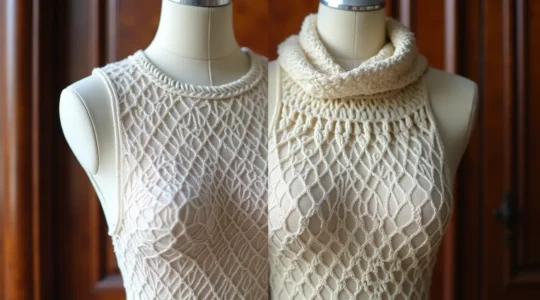
What is the difference between Leavers lace and knitted lace in terms of quality?
Contrary to popular belief, true lace quality isn’t about ‘old vs. new’, but understanding its underlying engineering and structural integrity. Leavers lace achieves its superior quality through a complex twisting method, mimicking handmade lace, which creates unparalleled pattern definition and…
Read more
What are the challenges and triumphs of the UK intimate apparel market today?
The ‘Made in Britain’ label on lingerie is more than a patriotic statement; it’s an economic indicator of complex trade-offs in cost, quality, and ethics. Post-Brexit realities have structurally increased costs for European brands, creating a new price parity with…
Read more
How has the boundary between lingerie and fashion blurred in British culture?
Contrary to popular belief, mastering the lingerie-as-outerwear trend in the UK isn’t about copying celebrity styles; it’s about learning to speak different ‘sartorial dialects’ for specific British cultural contexts. The trend’s language was born in the expressive freedom of UK…
Read more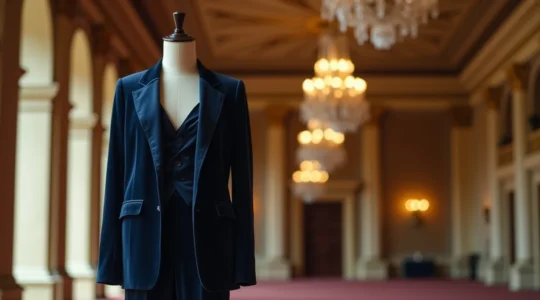
How to incorporate lingerie elements into formal evening attire without breaking dress codes?
In summary: Mastering lingerie as outerwear for formal UK events is not about exposure, but about architectural elegance and understanding fabric. Success lies in choosing structured pieces like corsets and pairing them with balancing formalwear, such as tuxedo trousers. The…
Read more
What are the best lingerie solutions for extreme low-cut dresses?
The secret to mastering a plunging neckline isn’t the product you use, but the structural engineering you apply. Traditional bras fail because they rely on a ‘suspension bridge’ model; extreme low-cuts require an ‘adhesion and cantilever’ approach. Success depends on…
Read more
How to plan the ultimate luxury lingerie shopping day in London?
In summary: Treat your shopping day as a strategic itinerary, not a random tour of high-street shops. A professional fitting is the non-negotiable foundation for value, comfort, and exclusive access. Mastering boutique etiquette and securing VIP services are the keys…
Read more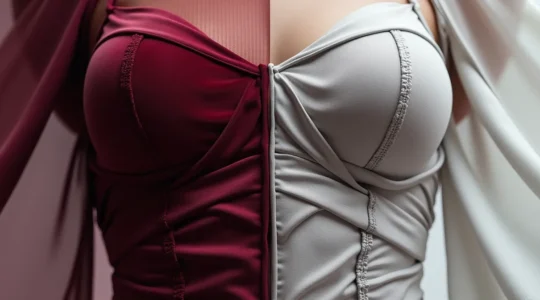
What makes British lingerie design distinct from French or Italian styles?
The unique identity of British lingerie is not merely a stylistic choice but a direct product of the UK’s specific industrial history, manufacturing geography, and a curatorial tension between heritage craft and subversive art school innovation. It is rooted in…
Read more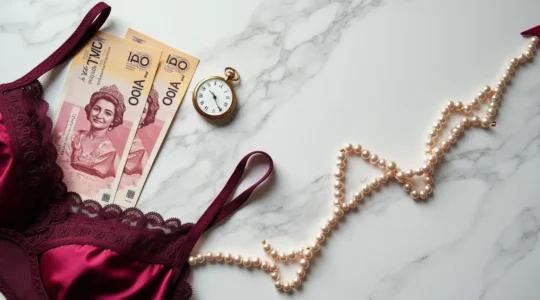
Is luxury lingerie a viable investment for a median UK salary earner?
Contrary to popular belief, luxury lingerie is not a frivolous expense but a calculated asset for the savvy consumer. The higher initial cost is offset by a dramatically lower “Cost Per Wear” due to superior materials and construction. Proper care,…
Read more